Lut Desert
Iran is a four-season country of, and when it rains 2 meters in the northwest of Iran, it rains in the north of Iran, the weather is moderate in the center of Iran,and the temperature in the southeast of Iran is above 50 degrees.One of these warm areas,
which has the hottest temperature recorded in the world with70 Celsius, is the Lut plain (parts of Kerman, Sistan and Baluchestan and South Khorasan provinces), which includes 12% of Iran's soil.Although there is very little life in the desert today, archaeological excavations have proven that prehistoric people lived in different parts of it (especially Shahdad).
In this article, we will take a trip to the heart of the warm regions of Iran.
What does Lut mean?
First of all, the concept and meaning of Dasht-e-Lut should be defined. Most linguists and researchers believe that Lut means naked and because most of the areas of this desert lack vegetation, they chose this name. Of course, a number of historians and scientists believe that Lut is derived from the names of the people who lived in this place before.But the mistake that happens is in applying the title of desert or silin chak; Lut does not have any salt flats and it should only be called Lut desert.
Different parts of Lut desert:
Both geologically and touristically, Lut is divided into3 almost separate parts:
1- Northern Lut: which is the most desert area and most of its parts are sand, gravel and sand. In this part, the amount of plant and animal life is almost zero and the surface is very smooth.
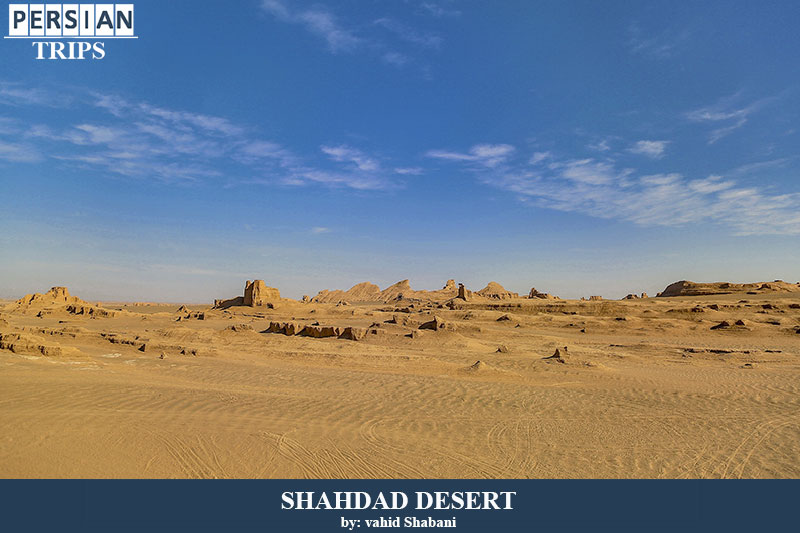
2- Middle or central Lut: the most beautiful and eye-catching areas of Lut are located in these areas. All kinds of natural and geological phenomena and even limited vegetation that will be discussed separately.
3- South Lut: The most alive part of the Lut desert is with flora and fauna. The amount of rain here is also high and the percentage of evaporation is much lower than in the previous part.
What are the characteristics of the central part of Lut and why should we visit it?
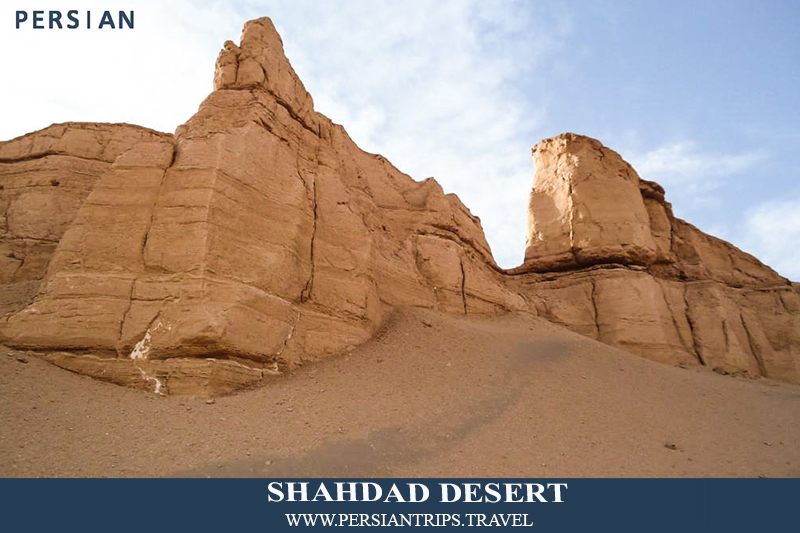
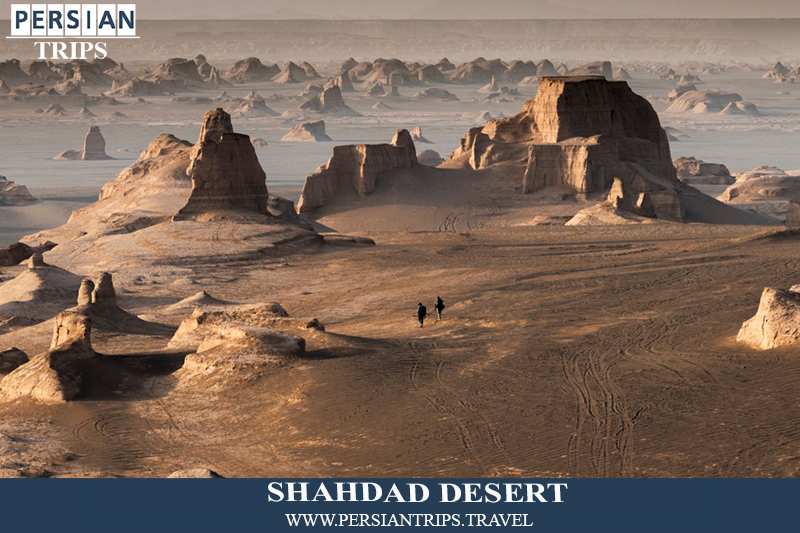
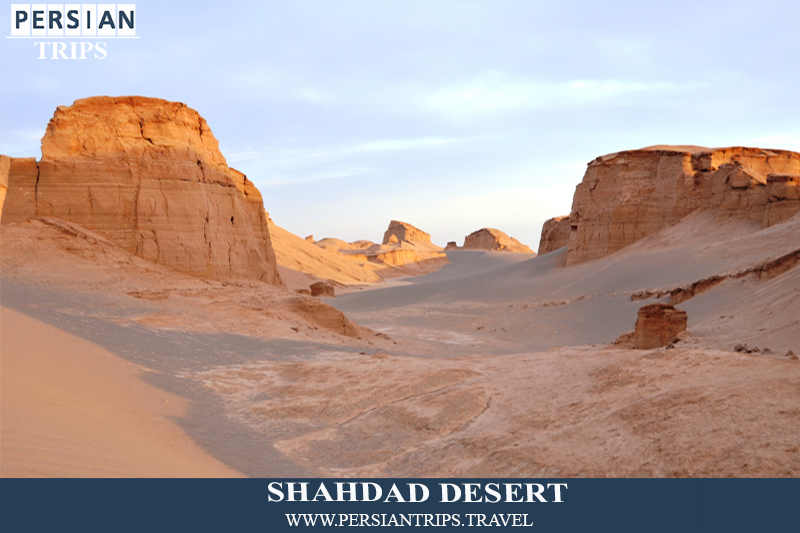
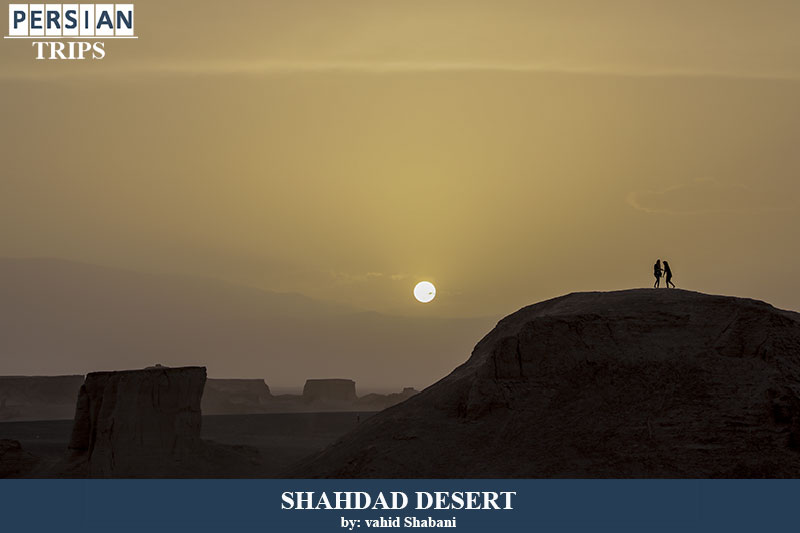
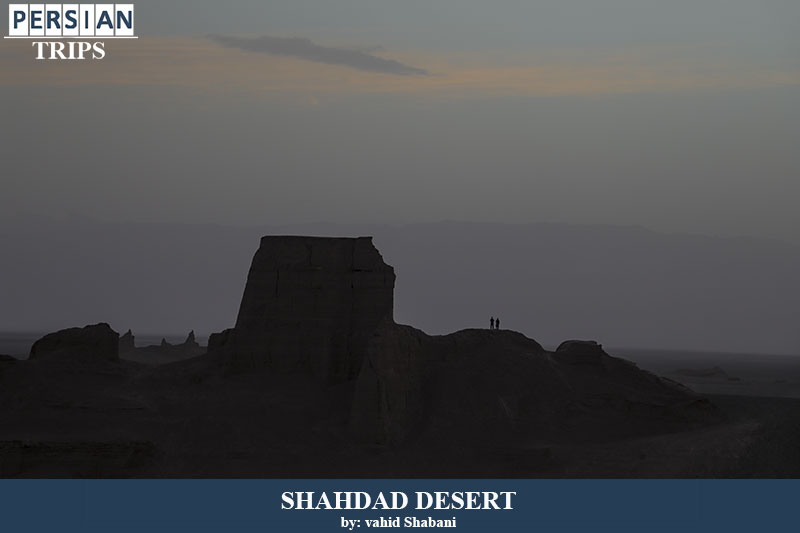
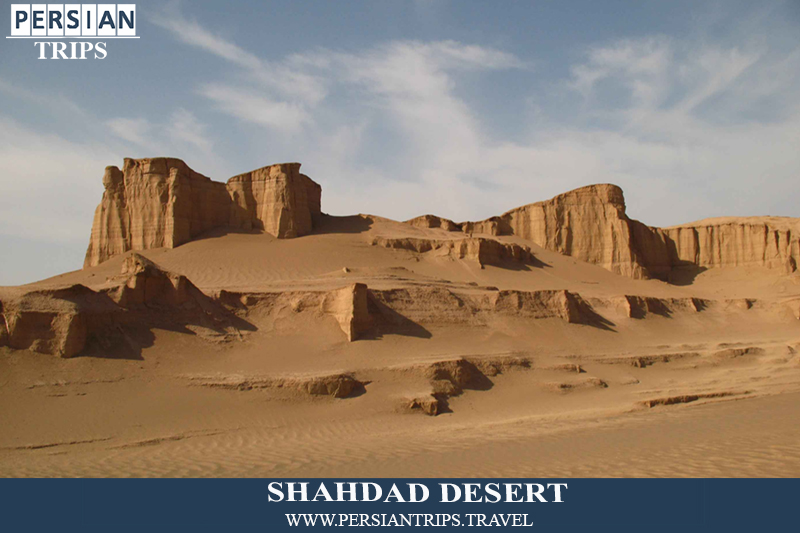
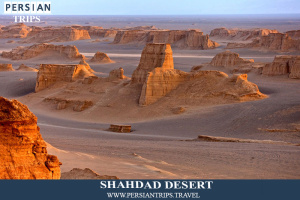
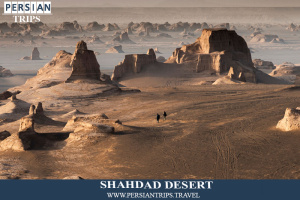
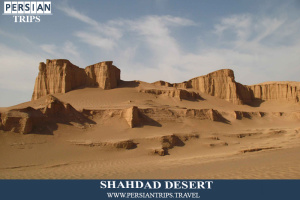
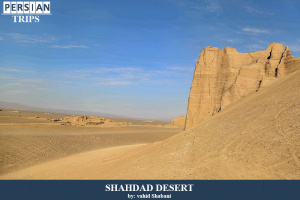
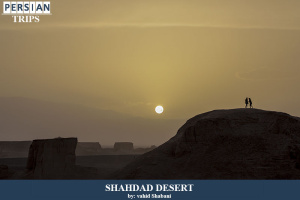
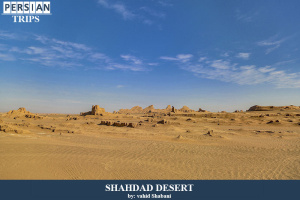
Vegetation in the central areas of the Lut desert is limited to certain shrubs, such as nettle shrub. When a sandstorm occurs, the leaves and roots of these trees block the passage of parts of it and a small hill of sand is formed under the shrub, whose crown is a shrub. This phenomenon is called Nabkha, which is very beautiful.But the sandstorm also creates another interesting scene, which is called Barchan; The sand accompanied by the storm sometimes forms a hill that has the shape of a roaring wave. The result is a crescent-shaped landscape that is abundantly found on Mars.But without a doubt, the most amazing, beautiful and memorable place in Lut is the thousand-year-old imaginary city of Yardang in the Shahdad plain.
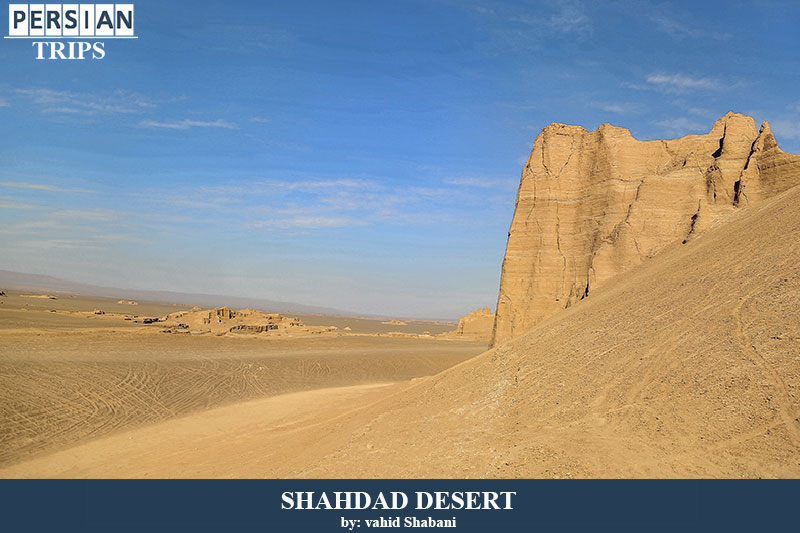
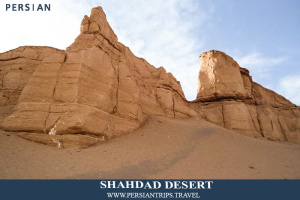
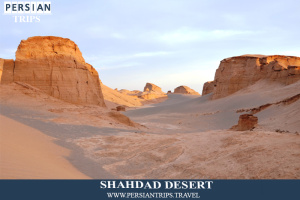
Yardang is the name of a geographical phenomenon resulting from soil erosion, the presence of some moisture and wind, which are visible in the form of stone sculptures and clay shapes. This thousand-year-old city is considered one of the most beautiful sights in the world, which attracts tens of thousands of desert travelers to Iran every year.
Lute is the result of the artistry of water, soil, sun and force of wind. A desert that has its own unique beauty. You will surely be amazed to see the desert of Lut!!!
Tags: Kerman Province, desert, kerman Attractions, Deserts in Iran, sand dunes , Lut Desert, Dashte Lut, ker, kerman Lut Desert