


Gonbad-e Ali in Abarkuh
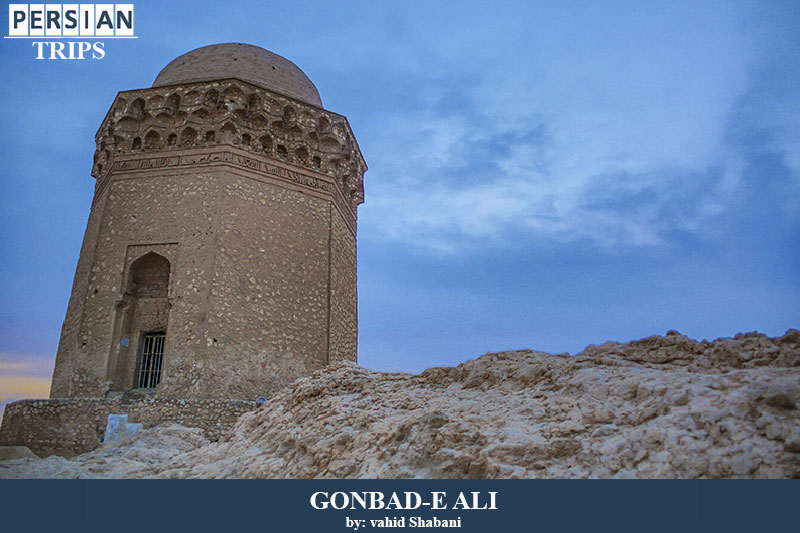
Abarkuh Gonbad-e Ali's building or Ali Dome is one of the healthiest buildings of the Seljuk period and one of the most valuable [Mehrazi] art in Iran.
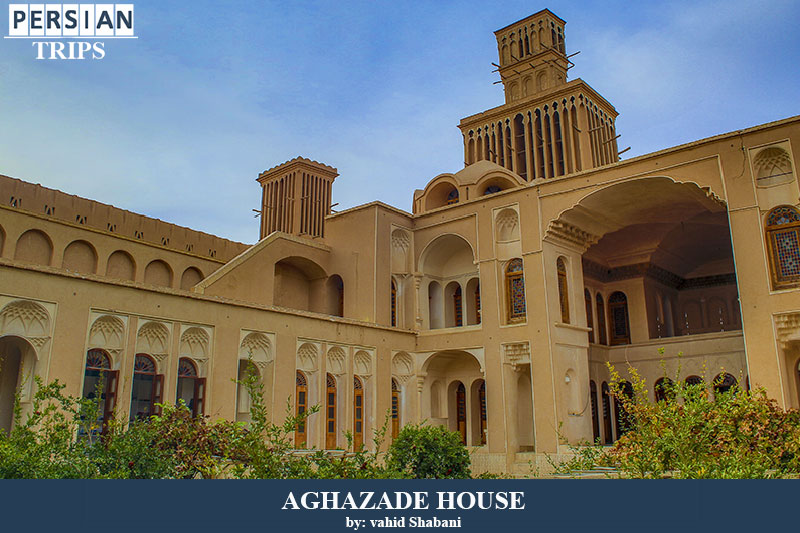
Yazd is known as the first adobe city and the second historical city in the world. People living in Yazd speak Persian language with some dialectal differences with so many beautiful Persian words and compounds in their dialect. The city of Yazd is also called "Dar al-Ebadah"(city of religious people), "Dar al-Elm and Dar al-Amal"(city of science and work), "Shahr Badgirha"(city of windcatchers), and city of fire and the sun. In different rural and urban areas of Yazd, special dishes are prepared, including bean soup, vinegar soup, and wheat soup.
With an area of about 74493 square kilometers, Yazd is the fourth largest province in the country located in the central part of the Iranian plateau on the edge of Lut desert. Yazd has 10 cities (Yazd, Abarkooh, Ardakan, Bafgh, Taft, Khatam, Sadough, Mehriz and Meybod), 20 districts and 51 villages. It shares border with Semnan in the northwest, Isfahan in the west, and Fars in the southwest.
Yazd, like other provinces of the country, has many rituals and customs, the most interesting of which is related to Ashura. Many tourists go to Yazd on those days to see mourning ceremonies. The clothing of the people is now more like that of other cities and villages of Iran, but the residents of some villages still wear their traditional clothes.
In addition to textile products, special types of sweets are also prepared, which are very popular all over Iran and even in all parts of the world. The important sweets of Yazd that are considered as souvenirs are Baklava, Qottab, pastry with coconut, almond, pistachio, and walnut flavor and all kinds of delicious sweets. In different rural and urban areas of Yazd, special dishes are prepared, including bean soup, vinegar soup, and wheat soup.
Yazd has many historical places, some of the most important ones are Historic City of Yazd, Pahlavanpour Garden, Amir Chaghmaq complex, the grand Mosque of Yazd, Old Faraj Mosque, Seyyed Rokn al-Din Tomb, Zoroastrian Tower of Silence, Zoroastrian Fire Temple (Yazdan), Dowlat Abad Garden, the First World Safe Box, Wind Catchers, Abarkooh Gonbad-e Ali, Abarkooh Cypress, Kheirabad Complex, Abarkooh Mosque, and etc.
Tags: yazd Province, Yazd Amir Chakhmaq square, Yazd Water Museum, sar yazd citadel, yazd Attractions , Yazd Tower of Silence
Abarkuh Gonbad-e Ali's building or Ali Dome is one of the healthiest buildings of the Seljuk period and one of the most valuable [Mehrazi] art in Iran.

Abarkooh Ancient Cypress Tree, which is the oldest tree or the oldest living creature in our country, is attributed to 4500 years in its registration document, but a Russian researcher who researches long-lived trees claims that the Abarkooh cypress tree is between 4000 and 8000 years old.
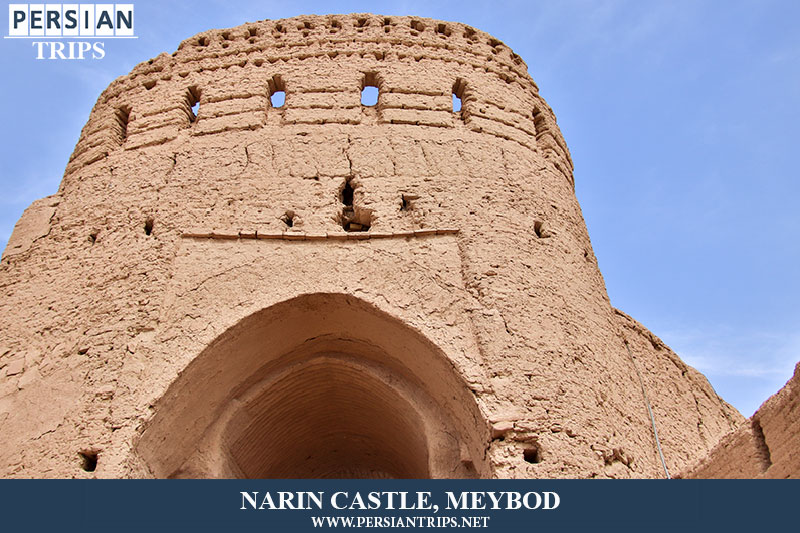
Meybod Narin castle or Narenj castle is the most important and spectacular historical monument of Meybod city.
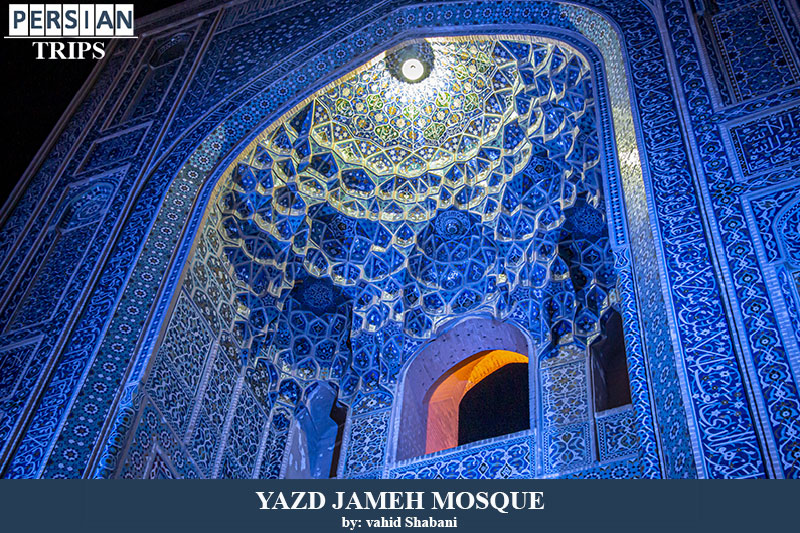
Fahraj Yazd Jameh Mosque is located in a village of the same name in the southeast of Yazd city and on the way to Bafgh. This building is located in the old part of the village and in the southeastern part of Hosseinieh.
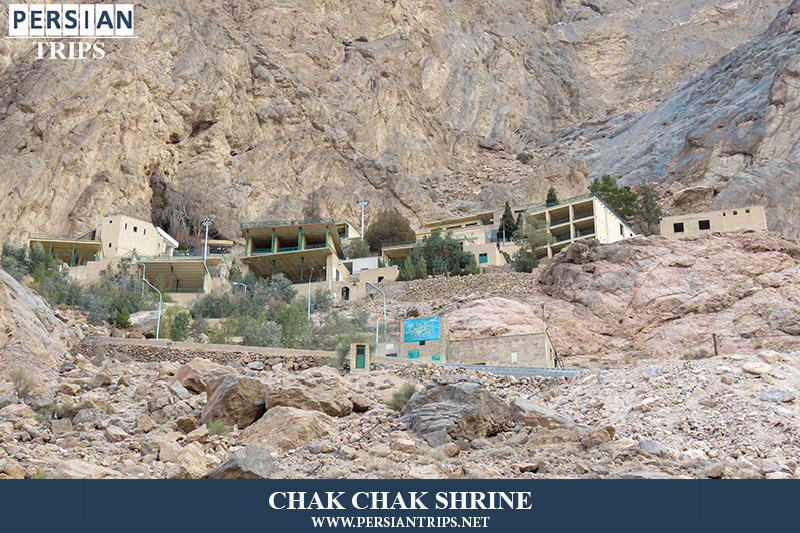
Chak Chak temple is one of the most important and well-known Zoroastrian shrines located in the heart of the mountain. Every year since June 15, for four days, many Zoroastrians gather in this place and pray. Mehregan celebration is also held every year in this shrine.
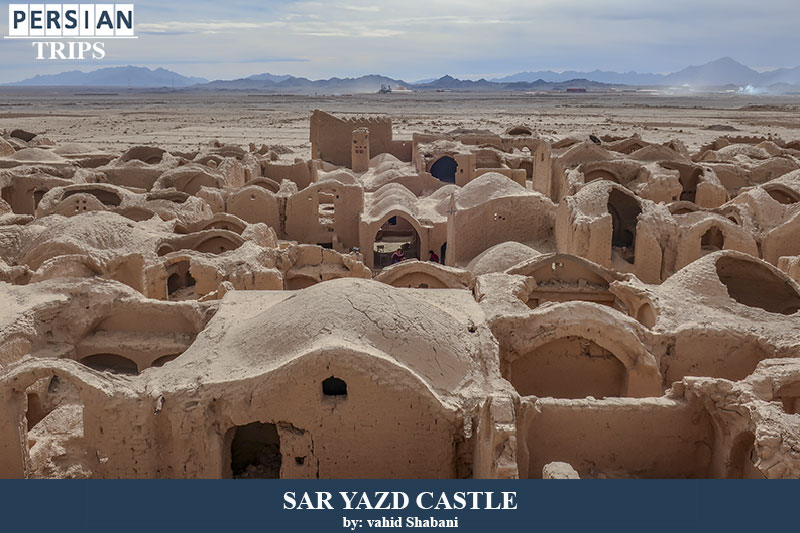
Sar Yazd Citadel as a fortress to store precious treasures and one of the oldest safe deposit boxes in the world with numerous jars and closets between the rooms shows the type of use and its importance in ancient times.
Can't current decode data. Also, make sure your API key and location is correct. Verify your location from here https://openweathermap.org/find